
How Valve's Steam Frame Runs x86 Games on a Phone Chip
Valve's Steam Frame headset ships with an ARM chip built for phones, yet promises to run your entire x86 Steam library anyway. Techquickie explains the years-old translation trick that makes that gamble work.
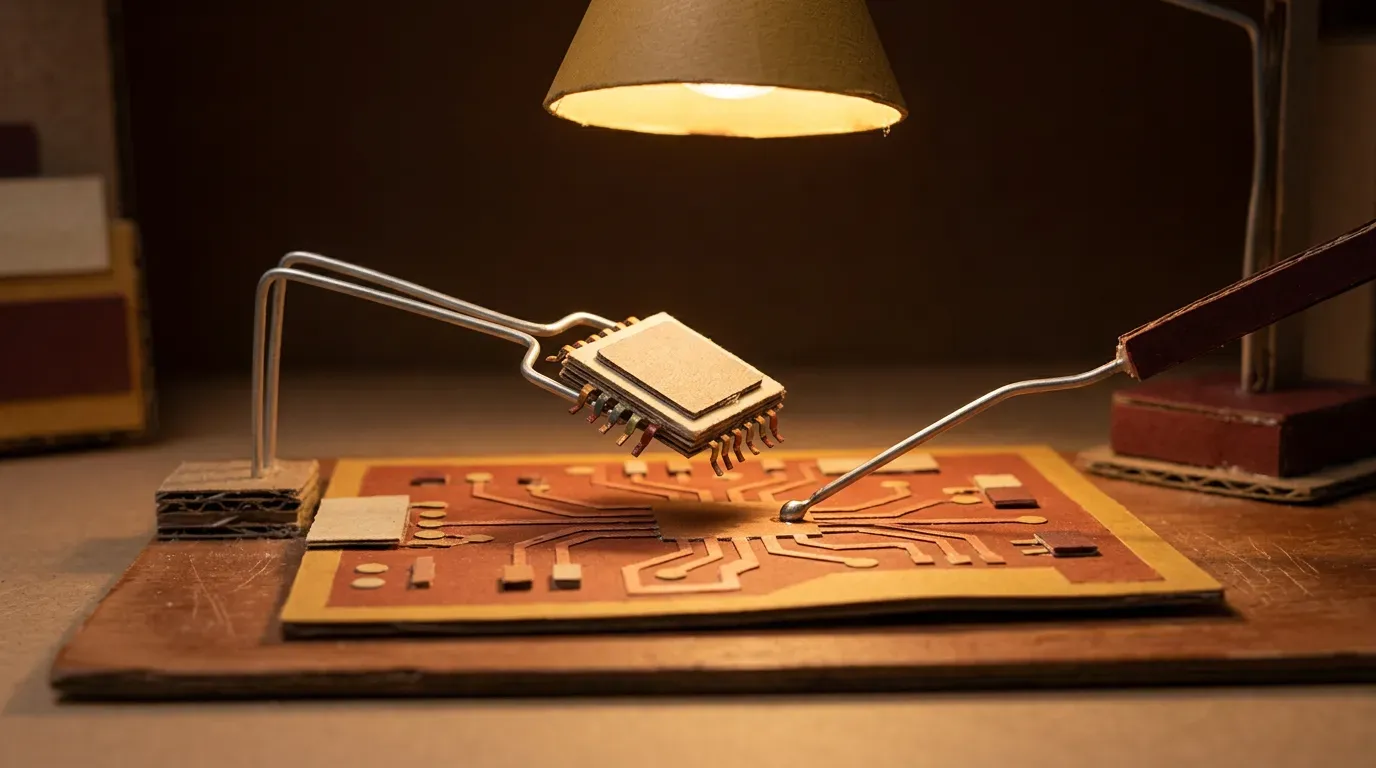
Every game in your Steam library was compiled for x86 processors, the architecture that has run PC gaming since before most players were born. The Steam Frame, Valve's standalone headset, runs on an ARM chip, the kind of silicon you would normally find in a smartphone. That mismatch should mean your library simply does not boot on the thing. According to the channel Techquickie, it boots anyway, because Valve has spent years quietly funding a piece of software called FEX that recompiles x86 code into ARM instructions while the game is running.
Techquickie frames this as the real engineering story behind the headset, built around comments from Pierre-Loup Griffais, one of the Valve engineers behind SteamOS. The channel describes FEX as a live translator sitting between your existing Steam library and hardware it was never written for, converting instructions on the fly rather than requiring developers to rebuild anything. That is the part worth sitting with: Valve did not ask every studio on Steam to port its catalog to ARM. It built a layer that makes the porting unnecessary, and it built that layer long before this headset needed it.
We have seen this shape before. Proton did the same job for Linux, quietly translating Windows calls so a decade of Steam releases would run on SteamOS without publishers lifting a finger. FEX is the same bet placed on a different architecture: rather than chase x86 licensing and the power draw that comes with it, Valve pays the cost of translation once, in engineering time, and spends it forever after in compatibility. That is also, not incidentally, how you hit a lower bill of materials on a headset chip, which lines up with what this site already reported about Valve targeting a cheaper Steam Frame before the memory market got in the way.
None of this is free. A translation layer costs performance, and Techquickie is upfront that FEX exacts a real tax on frame rates compared to running native code, even if it is a tax most players will accept in exchange for not rebuying their library. Whether that tax stays small enough to matter is the actual bet Valve is making with this hardware, not the marketing line about carrying your whole Steam catalog into VR.
The headset is also arriving into a regulatory moment this site has already flagged, with the EU's Kids Act draft potentially forcing age verification onto solo Steam games. A translation layer that quietly extends x86 compatibility to new silicon is an old trick working again. Whether it is a trick players get to enjoy without new friction at login is a separate question, and one Valve has not answered yet.