
Steam Frame Review Roundup: VR's First Headset Worth Keeping
GameSpot's Kurt Indovina spent two weeks with Valve's new standalone headset and came away calling it the last VR unit he might ever buy. Here's what actually backs that up.
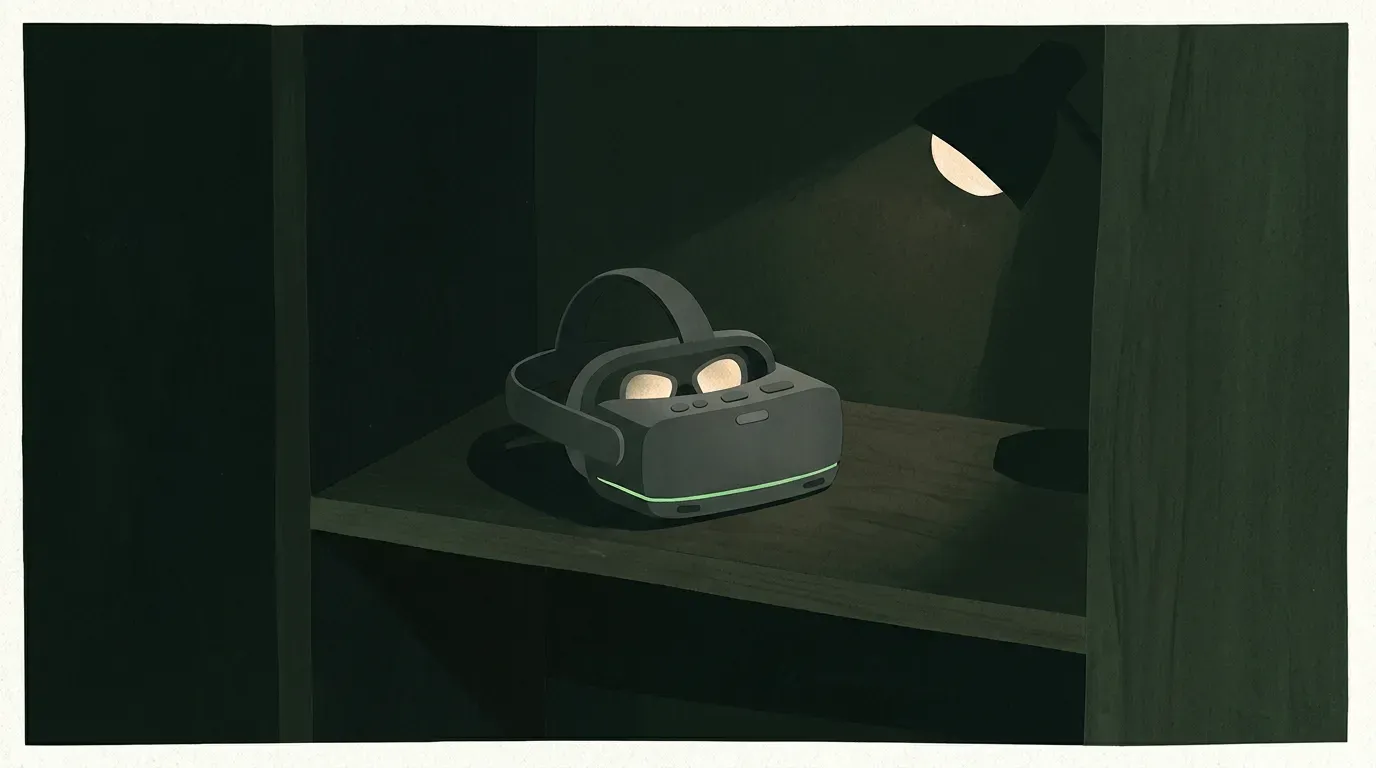
A thousand-dollar headset earning a 'this might be the last one I buy' verdict is either the best marketing line in VR history or an actual data point, and for once it looks like the latter. GameSpot senior video producer Kurt Indovina put the Steam Frame through two weeks of real use, replaying Half-Life: Alyx, booting Ghost Town, fiddling with Hot Dogs, Horseshoes, and Hand Grenades, and his conclusion wasn't hype, it was relief: the hardware finally stopped getting in the way of the games.
That relief matters because Indovina has receipts on the other side of the ledger too. He's the guy whose first GameSpot appearance was a Five Nights at Freddy's VR video, who's spent years as VR's advocate and its most exhausted critic in the same breath. His complaint about the industry isn't vague disappointment, it's specific: companies trying to 'chokehold' the market while shipping products that actively work against their own install base. Meta gets named directly for taking the most affordable, most accessible headset on the market and redirecting the whole business toward a social metaverse nobody who just wanted to play games asked for.
The spec sheet that actually earns its keywords
The Steam Frame isn't Valve's first hardware swing, but compared to the 2019 Valve Index it's a different category of device entirely:
- Standalone, wireless operation instead of a tether
- Inside-out tracking with no external base stations to mount
- Onboard processing, so the headset does real computational work instead of just relaying a PC feed
- Improved wireless streaming support for PC VR libraries
- Android compatibility baked in
That's not a features list copy-pasted from a press release, that's a headset doing the job standalone VR has promised since the first Quest shipped and mostly failed to deliver cleanly. 'It rules,' is Indovina's actual assessment, and coming from someone who's spent years cataloging VR's failures, that's not a word he hands out for free.
The price tag is still the price tag
None of this erases the entry fee. North of $1,000 puts the Steam Frame firmly in enthusiast territory, and it's already sold out fast enough to make 'if you can get your hands on one' a real caveat rather than a formality. It is, at least, cheaper than Meta's newly unveiled $1,300 VR Glasses, a product whose own trailer somehow didn't bother mentioning VR gaming, which tells you plenty about where that company's priorities currently sit.
One more practical note before anyone transfers money: if you wear glasses, check your frame fit before buying. Dropping four figures on hardware your face physically can't use is the kind of bad port you build yourself. This headset earned the recommendation on measurable terms, inside-out tracking that works, onboard power that doesn't choke, streaming that actually streams. Whether your wallet and your prescription both clear that bar is still your problem to solve.