
Sony Patent Suggests DualSense Could Double as a Wallet
A newly surfaced Sony patent imagines the PS5 controller handling payments, not just inputs. Here is what the filing actually claims, and what it does not.
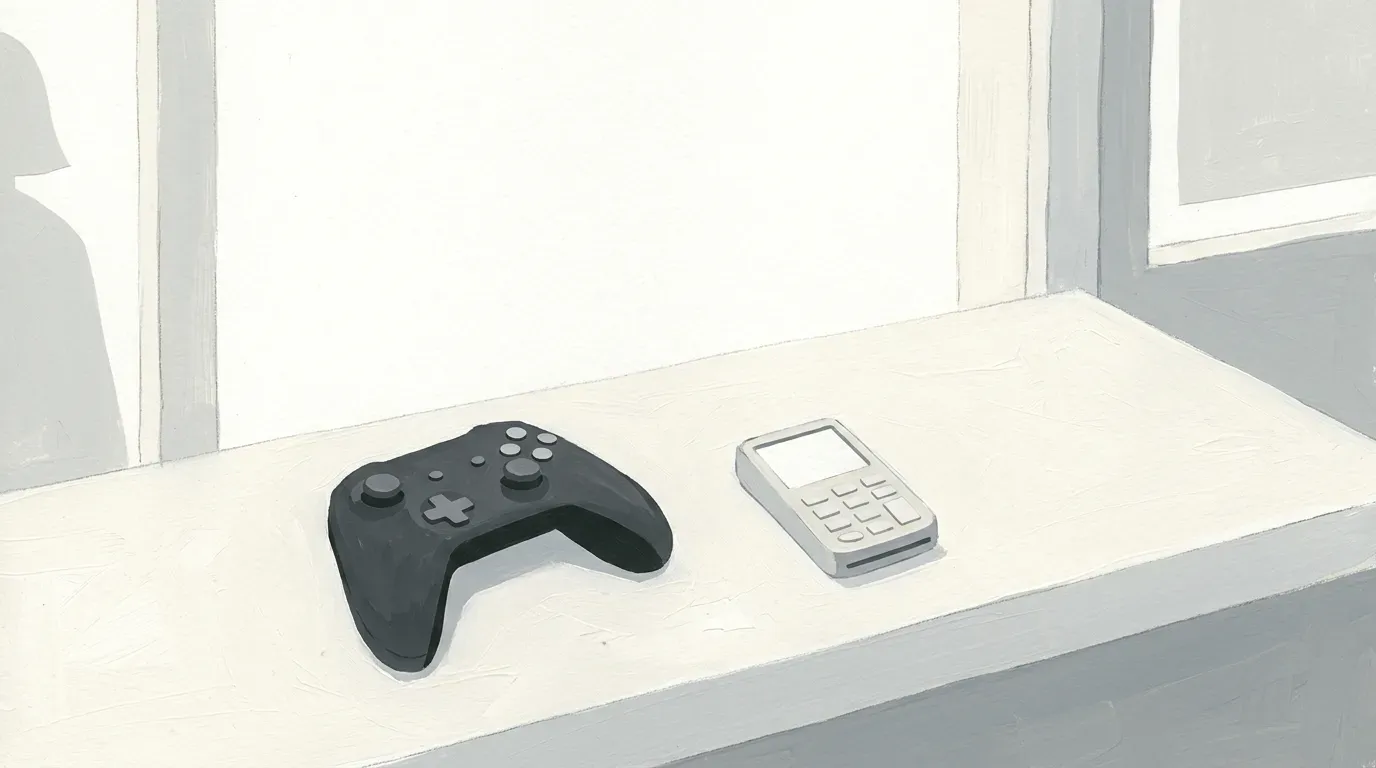
A patent is not a promise, and one suspects Sony knows this better than most, having spent a console generation watching rivals confuse the filing cabinet for the shipping schedule. Still, the filing reported by Insider Gaming is worth pausing on, if only because it imagines something genuinely unusual: a DualSense that does more than translate thumb pressure into camera movement, one that could, in principle, function as a payment device.
Details beyond that premise are thin, which is the honest state of most patents before anyone decides whether to build the thing they describe. What Insider Gaming reports is the concept itself: a controller repurposed as a means of authorizing a transaction, presumably leaning on the same haptic and biometric hardware Sony has already spent two generations refining for reasons that had nothing to do with your credit card. That the company holding the patent is the one that just spent a year fielding complaints about a Lisa-branded DualSense, as covered in Sony's Lisa DualSense Lands Amid a Year of PS5 Backlash, adds a certain irony to the timing, though irony has never stopped a patent office from granting anything.
One ought to be precise about what this is and is not. It is not a feature announcement, a store update, or a confirmed roadmap item; it is a legal document describing a possibility, the sort of thing companies file constantly and ship rarely. No official confirmation of any payment functionality has been reported by Insider Gaming or anyone else, and the gap between patenting an idea and pressing a controller against a card reader at checkout is, historically, measured in years, if it is ever closed at all.
What makes the idea worth a moment's genuine consideration, rather than dismissal, is that Sony's hardware has the sensors to support it without much reinvention: motion tracking, a touchpad, adaptive triggers, all sitting idle during a menu screen. Whether any of that becomes a checkout tool or simply another filing gathering dust depends entirely on decisions nobody has made public yet.
A controller that pays your bills sounds novel until you remember that novelty was never the shortage. Execution was.