
Report: PS6 and Xbox Helix Silicon Have Been Taped Out
An insider report claims the chips inside Sony's PS6 and Microsoft's Xbox Helix have finished their design phase and moved toward manufacturing, though neither company has confirmed a word of it.
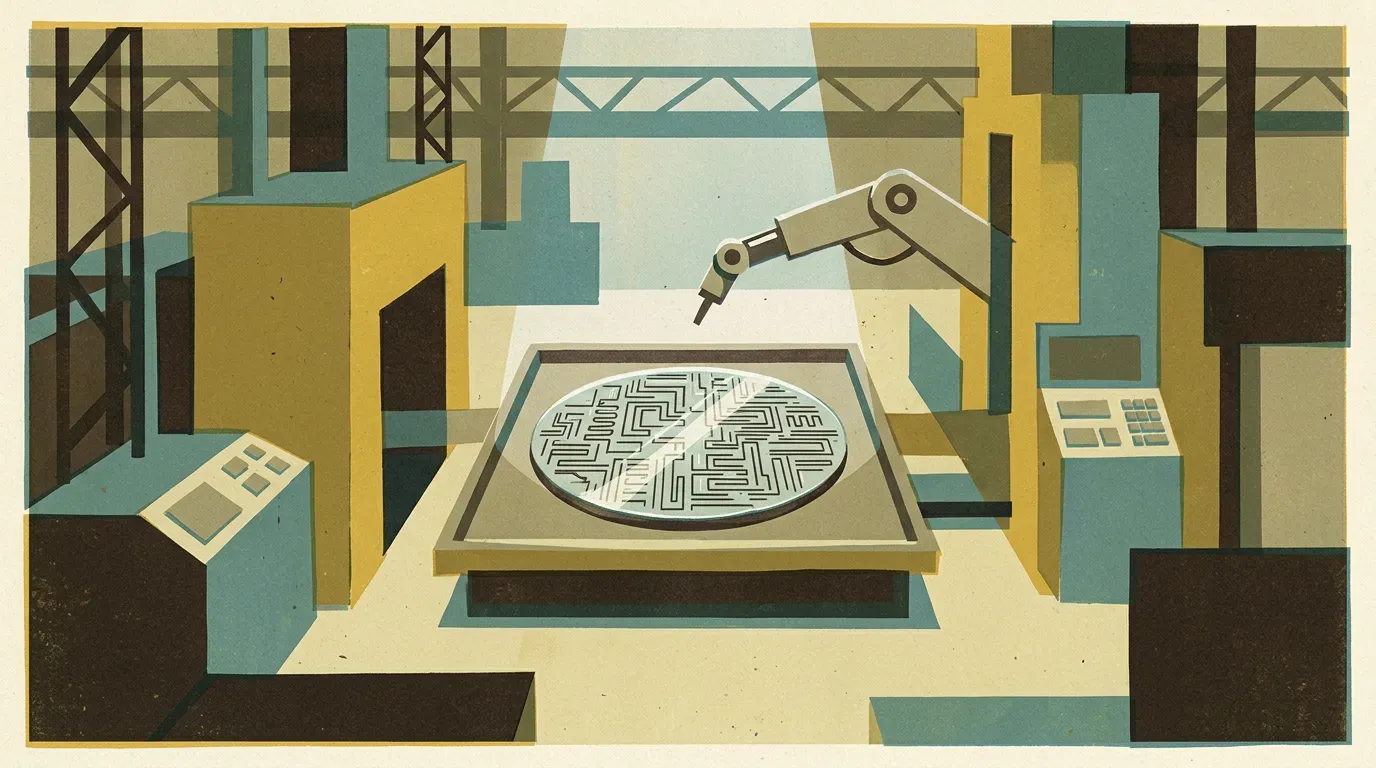
Taping out a chip is not an announcement; it is a plumbing milestone, the point at which a design stops being negotiable and gets sent off to a fabrication plant to be etched into silicon, and it tells you a console is coming rather than when it is arriving or what it will cost you to own one. That distinction matters here, because according to a report from Insider Gaming, citing what it calls a known insider, the processors destined for both the PlayStation 6 and Microsoft's Xbox Helix have now reached that stage, and are said, in the same breath, to be considerably powerful.
One appreciates the symmetry of the claim: two console makers, two chips, taped out at what the report frames as roughly the same moment, as though Sony and Microsoft had synchronized their watches for the occasion. I would treat that framing with the same patience I reserve for anything an unnamed insider tells a gaming outlet on a Tuesday, which is to say I believe the chip exists somewhere in a foundry queue and I withhold everything else. No specification, no clock speed, no die size, no date has been offered beyond the word powerful, which is the kind of adjective every next-generation chip gets applied to it right up until the moment consumers actually run something on it. Neither Sony nor Microsoft has confirmed any of this, and Insider Gaming's report should be read as exactly what it is: one outlet's account of one insider's claim, not a hardware reveal.
Still, the shape of the story is worth sitting with. A taped-out chip means a manufacturing calendar is now in motion whether either company wants to talk about it publicly or not, which tends to be how these things surface months before a proper unveiling. What that calendar produces, in Sony's case, is a track record of exclusives that made the previous generation of hardware worth owning on their own merits; what it produces on the other side remains an open question, and I say that with the specific memory of a rival platform that has spent recent years promising reinvention roughly as often as it has shipped a system-selling game. Silicon can be powerful. Whether either company builds something worth putting it inside is the part this leak, by its nature, cannot tell you.